Articles
Foodexpo embraces meat, climate, and plant-based diets with inspiring events
arrow_backTo the overview16 December 2025
- Textile Town
- Bakers Alley
- Barista Boulevard
- Furniture Avenue
- Beverage Avenue
- The Industrial Corner
- Butchers Road
- Gourmet Square
- Green Path
- Harbour Street
- Tech Corner
- Startup Street
- The Marketplace
- The Milky Way
- WineExpo
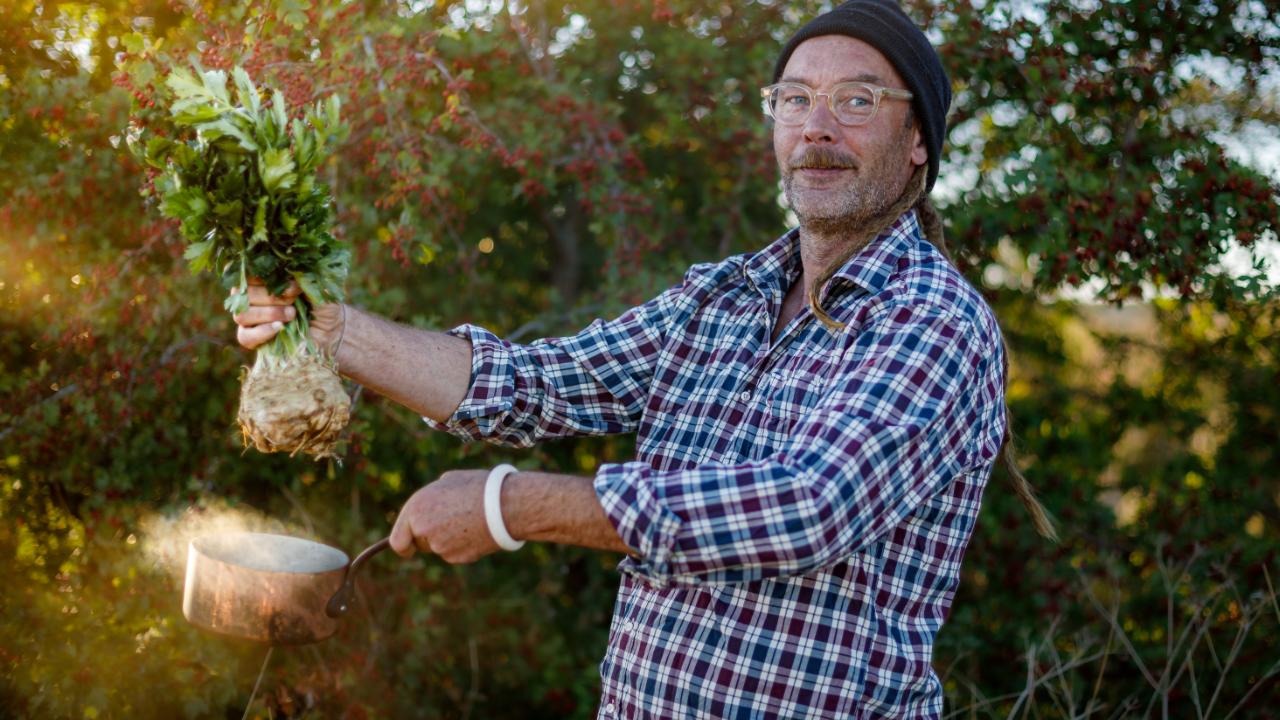
Meat, climate, and plant-based diets are all on the plate when Foodexpo brings the food industry together for three horizon-expanding days packed with exciting experience universes and forward-thinking events. The Nordic region’s largest professional meeting place for everyone who lives for and works with food will take place at MCH Messecenter Herning 22-24 March 2026.
Foodexpo’s hall overview is shaped like a plate for a reason – each zone represents a specific product universe with relevant exhibitors and professional activities and should be considered as part of the overall meal. This includes areas such as Green Path, Butchers Road, and Habour Street, each dedicated to its own professional and culinary direction.
In the Green Path, the fair’s most activity-packed zone focusing on green ingredients, plant-based products, and sustainable trends, visitors can taste, feel, and experience green products from exhibitors, as well as gather inspiration and share knowledge with the industry’s frontrunners.
The zone also features The Green Stage where exhibitors and experts share insights on topics such as plant-based opportunities in professional kitchens, sustainable solutions and ingredient knowledge, current trends and consumer behavior, as well as challenges and potentials in the green transition.
Among the speakers is Daniel Barrera Madsen, food and behavior consultant at ‘Plantebaseret Videnscenter’.
- I want to inspire how to succeed with organic, plant-based food in professional kitchens. At the same time, I aim to clarify what society gains from eating more organic and plant-based - we achieve a more sustainable food system, better biodiversity, greater protection of water resources, improved food security, and a healthier diet, explains Daniel Barrera Madsen.
He notes that interest in green cuisine is currently high, with legumes gaining ground - especially Danish-grown legumes, which tell the great story of local ingredients. However, he points out that many promising protein products remain relatively expensive, and price is a barrier to their breakthrough.
Nikolaj Kirk: Danish products create happier customers
Also on The Green Stage, chef and food communicator Nikolaj Kirk will explore how we can eat healthier, greener, and more sustainably in the future:
- Nine out of ten fruits in Danish supermarkets are imported, and that is a real problem. We have become too poor at prioritizing excellent Danish apples, pears, and strawberries, and the situation is not much better with vegetables, where three-quarters are imported. For example, you cannot find Danish Brussels sprouts and that is not acceptable, especially because Danish products with local roots create happier customers, says Nikolaj Kirk, who will also appear on the Surf & Turf Stage at Butchers Road and Harbour Street:
- My ambition is to inspire alternative uses of meat, focusing on quality and new cuts. We need less but better meat, giving it more value - which benefits everyone, including consumers, if cheaper cuts can become more valuable. And we need to keep the conversation about meat going.
Nikolaj Kirk has high expectations for Foodexpo and believes the fair plays an important role.
- All of us in the industry work in our own corners, and it can be hard to reach everyone. At Foodexpo, we have a common ground where we can inspire each other and meet colleagues we otherwise would not see and that is incredibly important, says Nikolaj Kirk.
Trine Krebs: Meat and plants are inseparably linked
On the Surf & Turf Stage, one of the many topics explored is the role that cattle should play in professional kitchens. Visitors can look forward to experiencing, among others, Trine Krebs, Green Chef at the Food Organisation of Denmark, who advocates for a nuanced view of beef.
- Attendees will gain insight into why beef should not only be viewed through a climate lens. The most unfortunate and incorrect approach is to set meat and plants as opposites. There are so many values tied to cattle, which help make a green food system work. We cannot just remove an animal from its system and measure single parameters - we need to see the animal in context and consider all aspects. Meat and plants are inseparably linked, says Trine Krebs, adding:
- Cattle contribute to biodiversity through their grazing and help make the soil more fertile, which can, among other things, help ensure plant-based food for humans. In addition, beef can come as a by-product of dairy production.
For these reasons, Trine Krebs encourages kitchens to have a clear strategy when purchasing and preparing beef.
Foodexpo takes place at MCH Messecenter Herning 22-24 March 2026. Read more at uk.foodexpo.dk.


Responsibility for content on this site
Information, images, product descriptions, videos, certifications, sustainability claims, and other content on company profiles are uploaded and maintained by the individual exhibitors.
Exhibitors are solely responsible for ensuring that their content is accurate, properly documented, and legally compliant, including compliance with applicable regulations concerning marketing, sustainability claims, and intellectual property rights.
MCH A/S solely provides the platform and does not, as a general rule, verify the content.